Reliable General Contractor: Turning Dreams Into Reality
A reliable general contractor plays a pivotal role in turning architectural visions into physical structures. By managing timelines and budgets, they confirm projects advance smoothly. Their expertise promotes a collaborative environment, vital for reducing risks. However, not all contractors are identical. Understanding how to choose the right one is essential for any successful project. What essential qualities should one consider, and how can they determine the overall outcome?
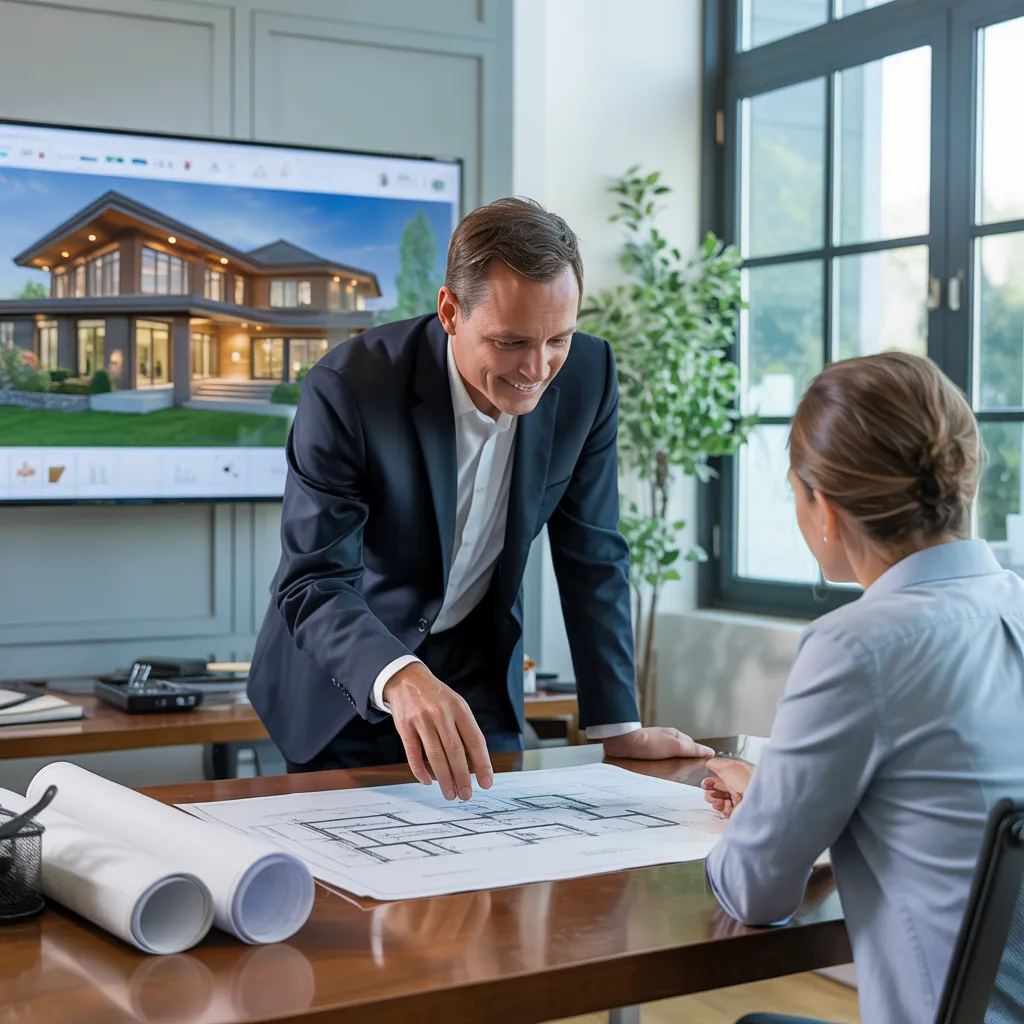
Steps to Spot a Reputable General Contractor
How can someone assess the trustworthiness of a general contractor? Reviewing a contractor's standing is crucial. One practical method is to seek suggestions from friends, family, or online reviews, which deliver information into previous work and patron happiness. Moreover, checking proper licensing and insurance ensures that the contractor follows sector requirements and shields against foreseeable issues. Examining past projects, either through work samples or on-site inspections, allows you to measure the standard of their construction expertise.
Additionally, obtaining multiple estimates allows comparison of rates and work timelines, exposing any inconsistencies that may point to questionable trustworthiness. Effective communication is yet another vital aspect; a reliable contractor should be responsive and clear in their interactions. Finally, examining references can supply helpful details about a professional's commitment to quality and trustworthiness. By implementing these strategies, one can establish educated decisions when selecting a general contractor for construction initiatives.
Essential Qualities of a Excellent General Contractor
An remarkable general contractor embodies essential qualities that confirm project success. Powerful communication skills promote clear interactions with clients, trade specialists, and suppliers, while proven project management experience assures timely and budget-conscious delivery. These traits are indispensable in manifesting dreams into substance.
Excellent Interactive Proficiencies
While competent project management is crucial for a general contractor, robust communication abilities often serve as the cornerstone for fruitful partnerships. These abilities facilitate a contractor to articulate project goals clearly, guaranteeing that all team members and stakeholders are in sync. Strong communication builds trust, enabling for transparent discussions concerning timelines, budgets, and changes. A good general contractor genuinely hears clients, subcontractors, and suppliers, resolving issues promptly and responding to feedback. This two-way dialogue not only improves issue resolution but also creates a positive working environment. Additionally, clear communication reduces misunderstandings, which can lead to costly delays or errors. Ultimately, robust communication abilities empower a general contractor to handle obstacles effectively, guaranteeing that projects progress smoothly from inception to completion.
Verified Project Management Proficiency
Exhibiting verified project management experience is essential for any general contractor working toward success. Effective project management entails careful planning, resource allocation, and timeline adherence. A seasoned contractor shows the ability to coordinate various teams, ensuring architects, engineers, and subcontractors work together effectively. Moreover, they adeptly manage challenges, utilizing problem-solving skills to keep projects on track and within budget. Their experience enables them to predict potential issues, minimizing risks before they grow. In addition, strong project management fosters transparency, allowing clients to stay informed during the construction process. By prioritizing quality control and complying with safety standards, a general contractor with verified experience delivers outstanding results and builds long-lasting relationships grounded in trust and reliability.
The Benefits of Engaging a Reliable General Contractor
Engaging a reliable general contractor brings major advantages in any construction project. Their expertise and experience assure that activities are executed to exceptional quality, while also boosting time and cost efficiency. This blend permits homeowners and businesses to direct attention toward their objectives without the anxiety of project management.
Skills And Experience
Engaging a dependable general contractor brings a vast amount of expertise and experience to any construction project. Their extensive knowledge of building codes, regulations, and industry standards secures that every aspect of the construction process is compliant and productive. Seasoned contractors have developed their skills through countless projects, allowing them to identify potential challenges and formulate effective solutions. Their established relationships with subcontractors and suppliers further improve the quality of work and materials used. Additionally, a trusted general contractor exhibits strong project management skills, handling timelines, budgets, and resources seamlessly. This expertise not only lowers risks but also encourages a collaborative environment, turning a client’s vision into a physical reality while upholding high standards throughout the construction journey.
Time and Expense Enhancement
A dependable general contractor significantly improves the efficiency of both time and cost in construction projects. Through coordinating various subcontractors and suppliers, they simplify workflows, reduce delays, and guarantee completion of tasks as scheduled. Because of solid industry relationships, they often secure better pricing on materials and labor, cutting down total project costs. Furthermore, an experienced contractor anticipates potential issues early, providing timely fixes that prevent costly hold-ups. Thanks to their project management knowledge, they efficiently allocate resources, making sure labor and materials are used effectively. Finally, choosing a trustworthy general contractor not only quickens project timelines but also preserves the budget, delivering clients peace of mind and trust in their investment.
Simplifying Your Project With a Construction Contractor
Effective project planning often copyrights on the proficiency of a general contractor. By functioning as the central figure in the construction project, a general contractor coordinates various components of the project, ensuring seamless communication among subcontractors, suppliers, and clients. This integrated approach decreases delays and reduces the likelihood of miscommunication, which can lead to expensive mishaps.
A general contractor streamlines the workflow by creating clear schedules and timelines, enabling all stakeholders to stay aligned with project goals. They also have the expertise to anticipate challenges, facilitating preventative problem-solving. Furthermore, they manage permits and inspections, alleviating the load on clients and guaranteeing compliance with local codes.
In the end, the involvement of a talented general contractor converts complex projects into workable duties, permitting homeowners and developers to concentrate on their vision while relishing peace of mind throughout the construction process. This teamwork cultivates a more productive and successful project outcome.
Top 5 Blunders to Dodge When Engaging a Contractor
How can homeowners ensure they opt for the right contractor for their project? Steering clear of common pitfalls is crucial. First, homeowners should steer clear of choosing a contractor solely based on the lowest bid. Quality often comes at a price, and a low estimate may signal inadequate experience or hidden costs. Second, omitting check references can lead to selecting someone untrustworthy or unreliable. Third, neglecting to check licenses and insurance can expose homeowners to legal and financial liabilities. Fourth, not planning project timelines in detail may result in unexpected delays and frustrations. Ultimately, homeowners often overlook the importance of clear exchange. A contractor who doesn't listen to concerns or provide updates can create misunderstandings. By steering clear of these mistakes, homeowners can enhance their chances of selecting a contractor who will effectively bring their vision to life.
Essential Points to Ask Before Signing a Agreement?
What key points should property owners evaluate before signing a contract with a contractor? Initially, they should investigate the contractor's permits and protection status. Appropriate credentials guard homeowners from conceivable liabilities. Then, requesting references and reviewing past projects can supply insight into the contractor's trustworthiness and quality of work. Homeowners should also consider timelines—grasping the projected start and completion dates is vital for planning.
Furthermore, explaining payment terms is crucial; homeowners must know the required deposit and the timeline for follow-up payments. Moreover, homeowners should question what will occur if unexpected issues arise during the project, including order changes and how they will be managed. Finally, comprehending warranty conditions on both craftsmanship and supplies can provide reassurance. By addressing these questions, homeowners can choose wisely and establish a strong base for their project.
Developing a Sustainable Relationship With Your General Contractor
Forming a robust relationship with a general contractor can greatly enhance the overall journey of a home building or renovation project. Open communication is the basis of this association, fostering reliability and openness. Homeowners should prioritize open dialogue, outlining needs, timeframes, and budget constraints early in the stage.
Regular check-ins and updates can help resolve issues promptly, ensuring that both parties remain synchronized throughout the project. Additionally, showing appreciation for the contractor's expertise can foster mutual respect and encourage a collaborative atmosphere.
Being adaptable is also vital; recognizing that obstacles may arise can enable finding solutions and adaptation. A good rapport can result in better quality work, as contractors are more likely to invest additional time when they sense appreciation. Ultimately, a enduring relationship with a general contractor not only supports a thriving venture but can also create possibilities for future collaborations.
Frequently Asked Questions FAQ
How Do General Contractors Deal With Unexpected Project Changes?
General contractors oversee unexpected project changes by evaluating the situation, consulting with relevant parties, revising schedules and cost estimates, and implementing solutions. Flexibility and problem-solving skills are vital in keeping projects progressing smoothly despite unforeseen challenges.
What Kinds of Undertakings Do General Contractors Typically Oversee?
General contractors often administer an assortment of assignments, comprising residential renovations, industrial building, structural improvements, and specialized installations. Their knowledge covers coordination, budgeting, and timeline development, assuring project fulfillment within diverse construction disciplines and complexities.
How Do Payment Plans Function With a General Contractor?
Payment schedules with a general contractor normally comprise upfront deposits, with subsequent progress payments contingent on project milestones. Final payments are finalized upon project completion, ensuring both parties remain in sync on fiscal responsibilities throughout the construction process.
Can a General Contractor Support With Permits and standards?
A general contractor can certainly assist with licensing and regulatory requirements. They typically work through area construction requirements, file required documents, and guarantee compliance with laws, reducing complexity for clients and helping to avoid costly regulatory complications.
What develops if the assignment goes beyond the Initial Budget?
If a project goes over the see more starting cost, the contractor generally discusses the explanations for the uptick. They may propose adjustments, request client authorization, and explore economy alternatives to hold the project on track.